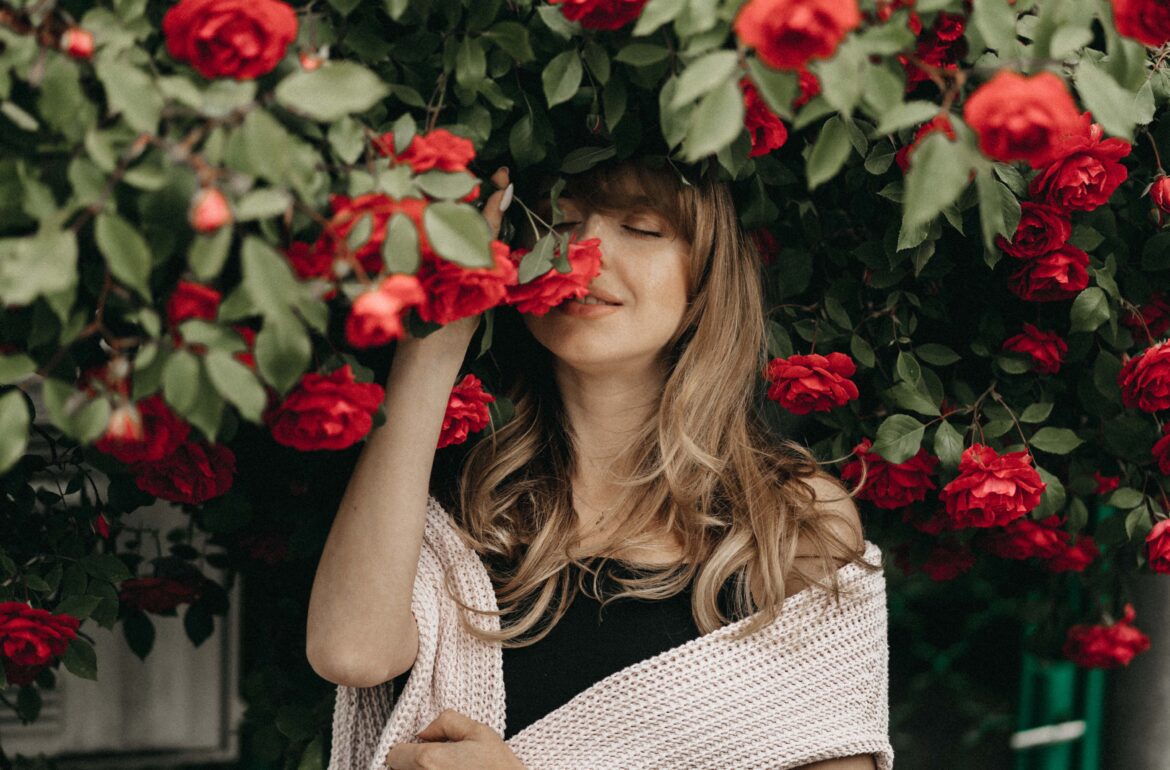
Have you ever smelled a rose straight from the bush and suddenly relaxed, as if the world had become a little better? The same happens when you open a bottle of rose oil and breathe in. It is no accident that the scent of the oil-bearing rose Rosa damascena is among the most prized by the world’s perfumers. But the rose’s secrets go beyond the luxurious scent of perfume.
It is worth knowing that you are not imagining it. The scent of the rose works almost instantly, because it reaches the brain by the shortest route any of our senses has. And scientists can measure its effect.
Why does the scent of the rose work so fast?
The answer lies in our sense of smell. Sound, light and touch pass through the thalamus – the brain’s “switchboard” – before they reach the centres of emotion. Smell skips that stop. The olfactory bulb is connected directly to the amygdala, where emotions are born, and to the hippocampus, which keeps our memories.
What this means in practice: A scent can take us back in an instant – to childhood, to a grandmother’s garden or to a long-forgotten summer. And that is why the rose calms you before you have even understood why.
What does rose oil contain?
There is a reason the scent of the rose is so special. More than 300 aromatic compounds have been described in the rose oil of Rosa damascena. Citronellol and geraniol bring freshness, phenylethyl alcohol a honeyed sweetness, and nerol adds softness. Together they create a scent that synthetic fragrances find very hard to copy.
The petals also contain substances that do not pass into the oil: polyphenols and flavonoids such as quercetin and kaempferol, and the anthocyanins that give the flower its colour.
Rose oil, floral water or CO₂ extract: what is the difference?
The rose has several faces, each with its own character:
| Form | How it is made | What it brings |
|---|---|---|
| Rose oil (rose otto) | Steam distillation of the flowers | The most concentrated scent; the basis of rose aromatherapy |
| Rose Floral Water | The water part of the same distillation | A delicate scent for everyday face care |
| CO₂ extract | Supercritical extraction – cold and under pressure | The finest aromatic molecules and substances that the heat of distillation loses |
| Petal tea | Whole dried rose petals | Polyphenols and flavonoids, a soft floral taste |
That is why, in 2008, we introduced the first supercritical CO₂ extraction line in Bulgaria. It works cold, under pressure and without organic solvents, and it preserves substances that cannot be obtained by standard distillation. Today we extract the rose in three ways – distillation, cavitation and CO₂ extraction – and we compare every result with the scent of the living plant.
What does research show about the scent of the rose?
The effect of the scent is not just a feeling. Japanese scientists (Shinohara and colleagues, 2016) set out to measure it with a laboratory test. The participants – 15 women aged around 44 – inhaled ten essential oils one after another. Oestrogen in their saliva rose with only two of them: rose and geranium. The study is small, but it is among the first to look for a trace of the scent in the body, not just in the mood.
A review by Boskabady and colleagues (2011) brings together the laboratory data on the calming effect of the rose. These studies set the direction for clinical trials in humans. In them, Rosa damascena extract taken orally reduced anxiety and stress in menopausal women – read more in “Rose oil and menopause through the eyes of science”.
What this means in practice: When you say the rose calms you, science knows why.
How to use the scent of the rose every day
Three scent pauses, a minute each:
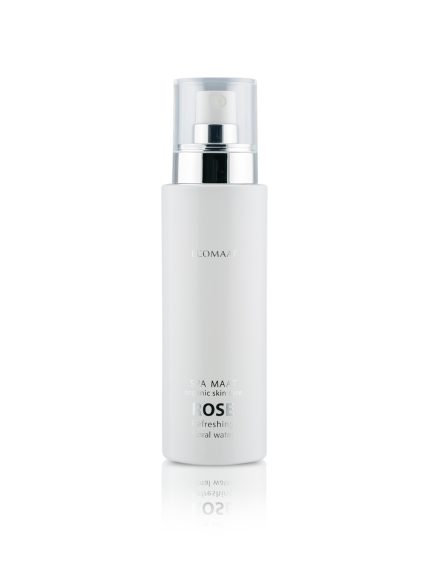
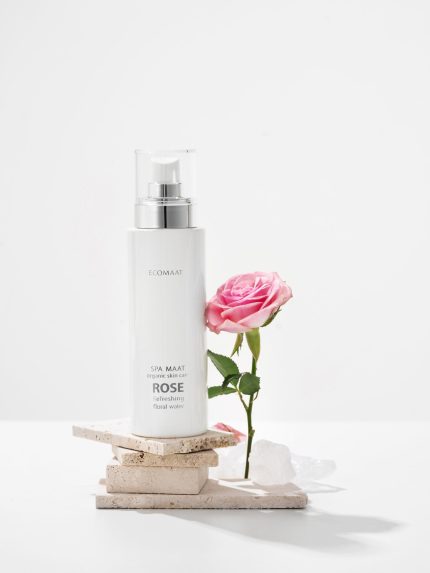
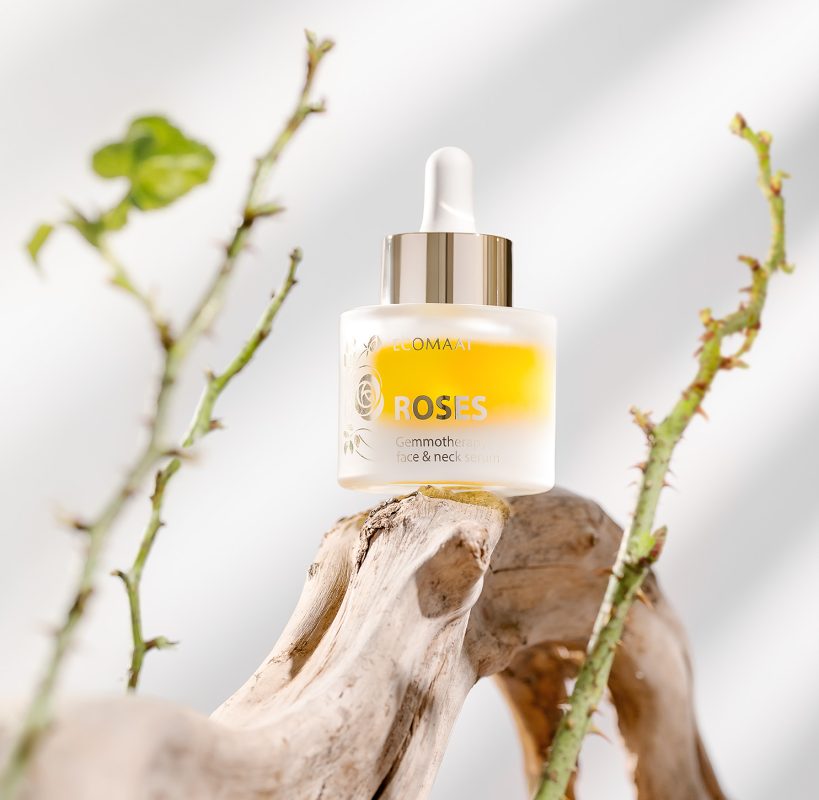
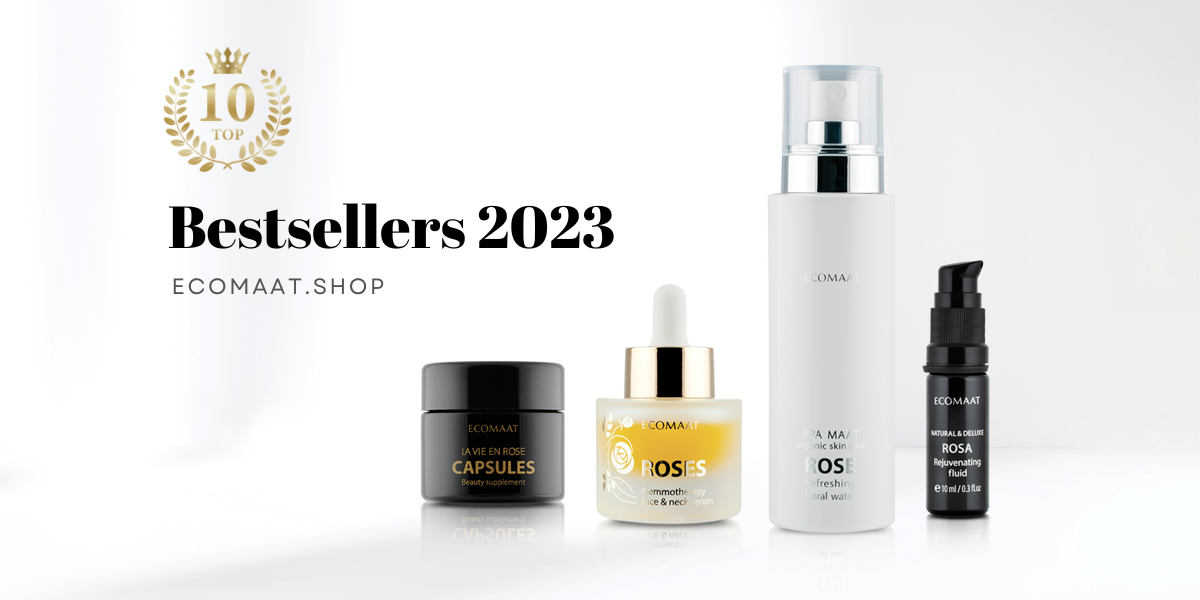
Waking up. Mist your face with Rose Floral Water, close your eyes and breathe in slowly three times. Then apply your treatment product.
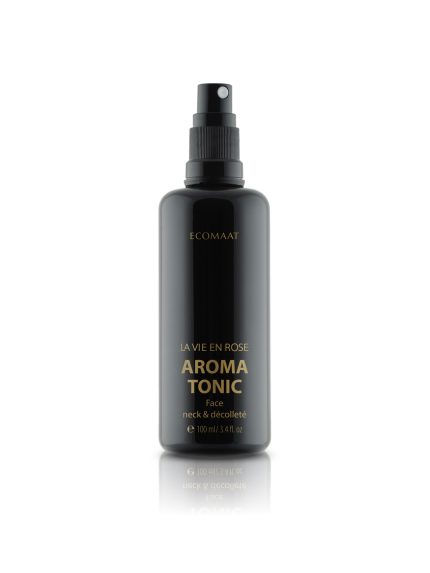
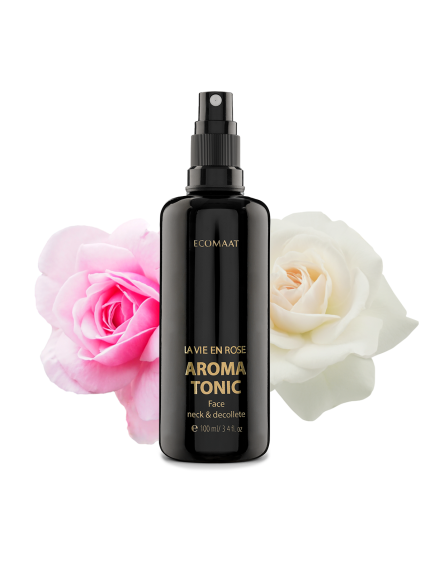
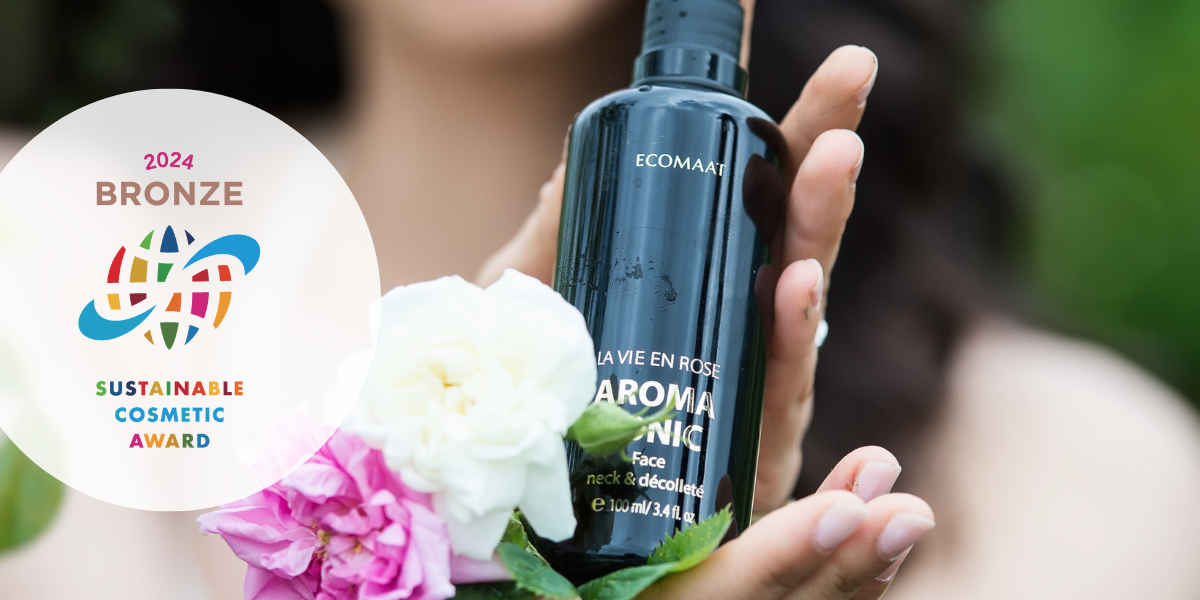
A pause in the middle of the day. When the day gets heavy, mist your face with La Vie en Rose Aroma Tonic and give yourself one minute just for the scent. Or swap your afternoon coffee for a cup of Rose Petals tea made from whole rose petals.
“An exceptionally delicate and natural scent, without artificial or overpowering notes. The taste is soft, floral and very calming – perfect for moments of relaxation.” – Maria S., about Rose Petals tea
Winding down in the evening. Prepare for calm, restful sleep. A few sprays of rose floral water and a massage with your favourite face oil with rose oil or rose extract. A glass of water with rose drops, or a cup of rose tea, before bed.
In short
Delicate and strong at the same time – the rose is a flower with character. Its scent is not just a luxury, but a quick way to a calmer day. Science explains why, and you can simply enjoy it.
This article presents published scientific studies on Rosa damascena. They were not carried out with Ecomaat products. This article is not medical advice.
Sources
- Shinohara K, Doi H, Kumagai C, Sawano E, Tarumi W. Effects of essential oil exposure on salivary estrogen concentration in perimenopausal women. Neuro Endocrinol Lett. 2016;37(8):567–572. PubMed
- Boskabady MH, Shafei MN, Saberi Z, Amini S. Pharmacological effects of Rosa damascena. Iran J Basic Med Sci. 2011;14(4):295–307. PubMed
- Mahboubi M. Rosa damascena as holy ancient herb with novel applications. J Tradit Complement Med. 2016;6(1):10–16. PubMed
Read more: “Rose oil and menopause through the eyes of science”
The rose from our gardens
Grown in Mirkovo. Extracted by us.